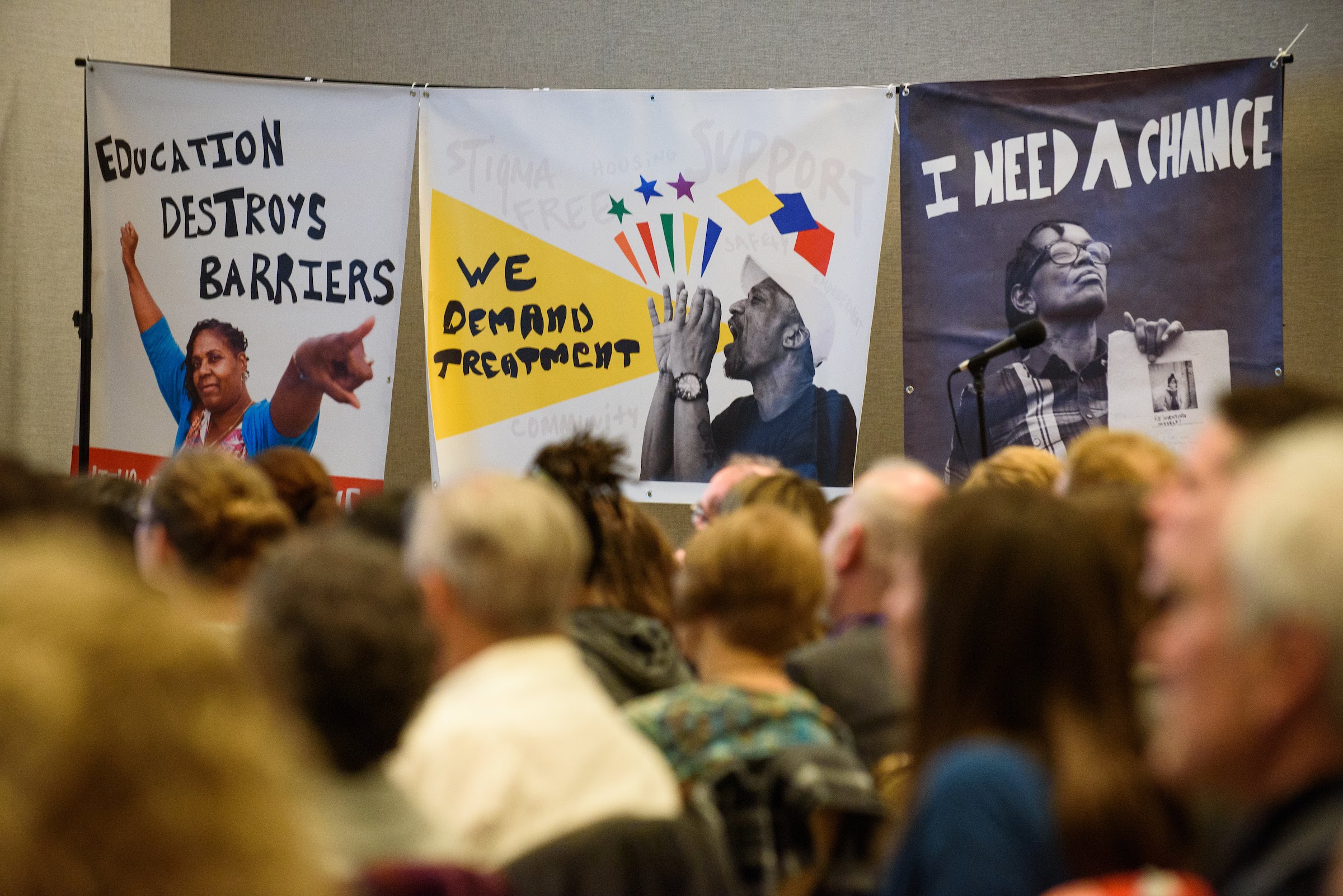
Artwork stating 'Education Destroys Barriers', 'We Demand Treatment', and 'I Need A Chance'

Search Results

You searched for: -

There are 17340 results  for your search.  View and Refine Your Search Terms

  • Publishers as Partners in Literacy

    First Book Marketplace, which makes quality, new books affordable for children in low-income families, is providing not only improved access to engaging educational materials, but a sense of dignity and self worth that a hodgepodge of used, donated books cannot. Additionally, the books are often used by nonprofits to further create opportunities for family bonding and to stimulate children's development.

    Read More

  • A Book in Every Home, and Then Some

    Lack of reading material is not only a third-world problem – many poor families in the United States lack access to and funds for books. A program that helps get books to into the homes of low-income families can boost literacy, and help publishers, too.

    Read More

  • To Survive Famine, Will Work for Insurance

    Oxfam is working to prevent a drought in Ethiopa by insuring crops of farmers, causing them to have a greater desire to work in the agricultural market.

    Read More

  • Doing More Than Praying for Rain

    Most insurance companies avoid insuring poor farmers because the transaction costs are too high, but a non-profit in Kenya created a sustainable way to cover them.

    Read More

  • Infant Deaths Drop After Midwives Undergo Inexpensive Training

    Providing simple training to midwives in Zambia has resulted in a statistically significant decline in infant mortality. A small pilot project costing only $20,244 saved the lives of an estimated 97 infants.

    Read More

  • Helping New Drugs Out of Research's ‘Valley of Death'

    Despite significant increases in funding and advances in biomedical research, the rates of new treatments and drugs for illnesses that reach the market every year have plummeted. A group called the Myelin Repair Foundation, along with several other foundations, uses an intensely goal-directed and collaborative method to tackle the bottleneck.

    Read More

  • Speaking Up for Patient Safety, and Survival

    Patients in U.S. hospitals suffer high rates of infection due to poor practices such as lack of proper hand-washing and lack of sanitization when inserting central line catheters. The Michigan Health and Hospital Association set out to reduce the rate of infection in their Intensive Care Units by developing a 5-step protocol for nurses and doctors to follow when inserting central lines. What they found was astonishing-- following these simple steps reduced the rate of infection to zero within three months of implementation.

    Read More

  • Save the Poor by Selling Them Stuff — Cheap

    Despite the trillions of dollars of aid money, donations, and goods gifted to impoverished nations each year, the cycle of poverty fails to break, and conventional thinking has shifted to believing that the poor are best served through opportunity, rather than charity. The concept of "marketing to the base of the pyramid' - creating goods and services catered to the wants and needs of the poor that they purchase at an accessible price - started out as somewhat controversial, but is proving in many cases to be more sustainable and empowering than traditional methods of philanthropy.

    Read More

  • Better Hand-Washing Through Technology

    Washing hands in between contact with patients is one of the most important things a healthcare worker can do to prevent the spread of disease and reduce the rise of superbugs like MRSA. A new technology is increasing rates of hand washing by displaying, via a sensor in an employee's badge, whether the healthcare provider has washed their hands recently.

    Read More

  • When Math Makes Sense (To Everyone)

    Many people believe that math is only for a select few. By fostering commitment and providing explicit guidance, Jump, an math education curriculum, is showing people that anyone can do math if they understand it.

    Read More