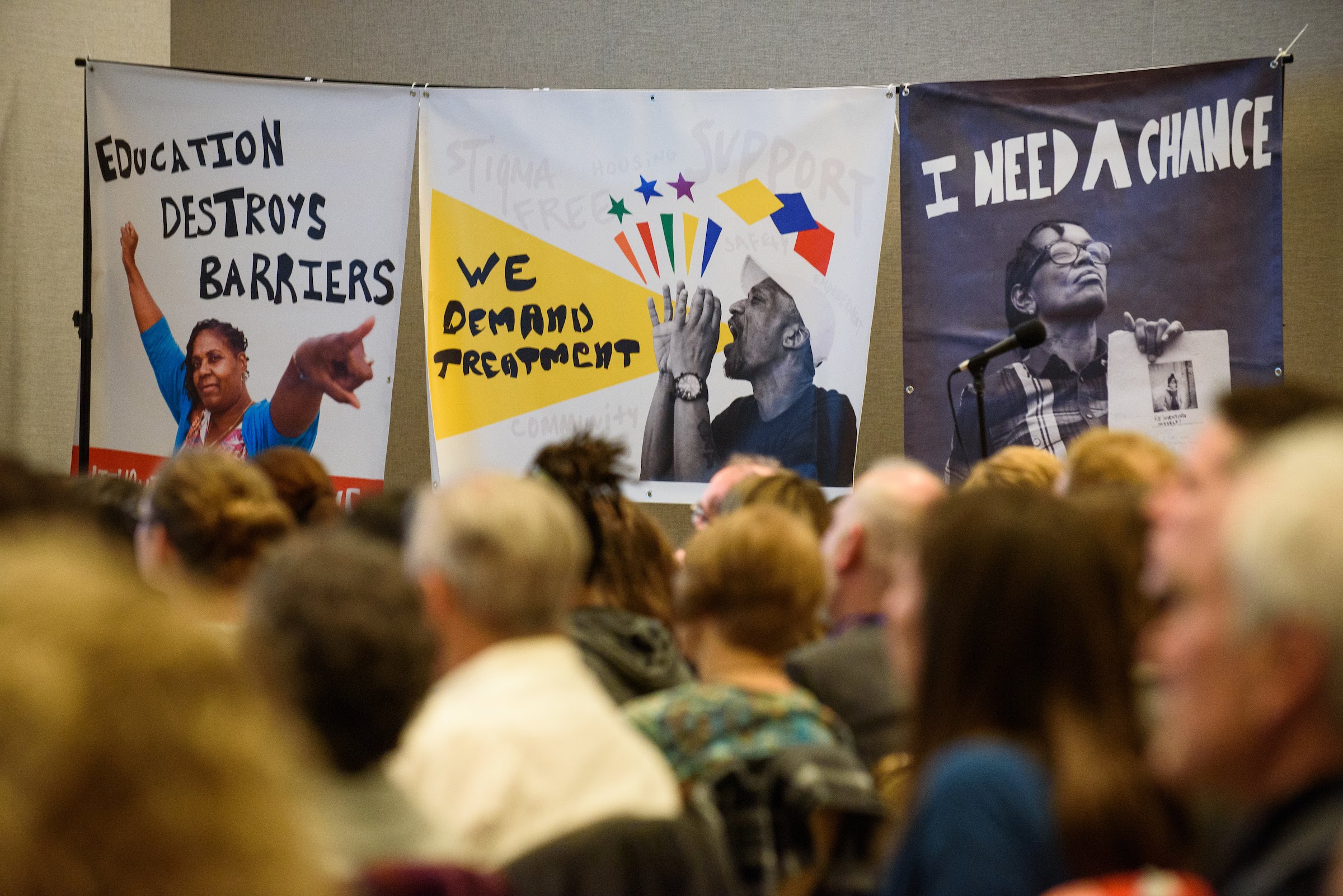
Artwork stating 'Education Destroys Barriers', 'We Demand Treatment', and 'I Need A Chance'

Search Results

You searched for: -

There are 17340 results  for your search.  View and Refine Your Search Terms

  • Can Coffee Kick-Start an Economy?

    African coffee growers sell their raw beans cheaply to traders, earning very little for their work. The creator of Good African Coffee in Uganda was able to sell the first African roasted coffee internationally by selling consumers the story of the coffee.

    Read More

  • In India, a Small Pill, With Positive Side Effects

    In the developing world, intestinal worms stunt physical and mental growth, drain energy, and can inhibit school work for children. Deworm the World is a global campaign that lobbied the Delhi government to regularly distribute deworming pills to school children. The benefits decrease student absenteeism and increase cost-saving measures.

    Read More

  • One Acre Fund: a Nonprofit's Business Approach to Helping Small Farmers

    International development organization One Acre Fund opts to set up shop in rural locations like Bungoma, Kenya rather than major cities like New York and Nairobi and treat its stakeholders as customers instead of beneficiaries. This non-profit's business-like approach has helped it grow from 5,000 farm families in 2006 to 125,000 in 2012, and around 99 percent of families repay their farm loans. As One Acre Fund farmers sell their excess produce, they can invest in basic necessities like education for their children.

    Read More

  • Out of Jail, and Into a Job

    Most programs to cut recidivism don’t significantly reduce rates of repeated arrests or incarceration, but one called the Center for Employment Opportunities that started in New York City is making a dramatic dent. The program provides newly-released prisoners with transitional services - most significantly, distinct working crews where they can be constructively monitored and learn teamwork - effectively helping keep them out of jail and transition back into society.

    Read More

  • Liter by Liter, Indians Get Cleaner Water

    Low-cost filtration plants are finding their place in some of the most underserved areas of India. Making a cultural shift from drinking well water to filtered water isn't well-received by all villages in the country, however. Thanks in part to word of mouth as well as a noted difference in health outcomes, there is still hope in fighting the fight to persuade local communities to pay for and drink clean water.

    Read More

  • From Young Adult Book Fans to Wizards of Change

    Global social and economic problems are difficult to change. However, fan-activism fuels the interests of fans of popular young adult fiction. Books such as Harry Potter and the Hunger Games have inspired activist groups that raise awareness of global hunger, reading, and relief supplies to impoverished nations, among others. Being a fan has served as a bridge to become politically active and solve the world’s problems.

    Read More

  • In Africa's Vanishing Forests, the Benefits of Bamboo

    In Africa, many people rely on wood from trees to cook food over stoves. The tremendous usage of wood contributes to deforestation and environmental decline. Using bamboo instead of wood is a more profitable and greener solution.

    Read More

  • Prisons Rethink Isolation, Saving Money, Lives and Sanity

    A positive transformation in a Mississippi prison has become a focal point for a growing number of states rethinking the use of long-term isolation. Humanitarian groups have long argued that solitary confinement has devastating psychological effects, but a central driver in the recent shift is economics. Some officials have also been persuaded by research suggesting that isolation is vastly overused and that it does little to reduce overall prison violence.

    Read More

  • Africa's Girl Power

    Education is far from a given for poor, rural Africans. But a group called Camfed is bringing lasting social change to African countries by educating hundreds of thousands of girls.

    Read More

  • Prizes With an Eye Toward the Future

    Agencies across the corporate, government, and nonprofit sectors are recruiting ideas from the public by offering prizes for solving challenges. Prize incentives have spurred innovation for centuries, but fell out of favor as the preferred method in the 1800s. Now, prize-based incentives are back, in part because of a flood of new philanthropic money, and because prizes cast a wider net to a largely more educated and tech-savvy global population.

    Read More