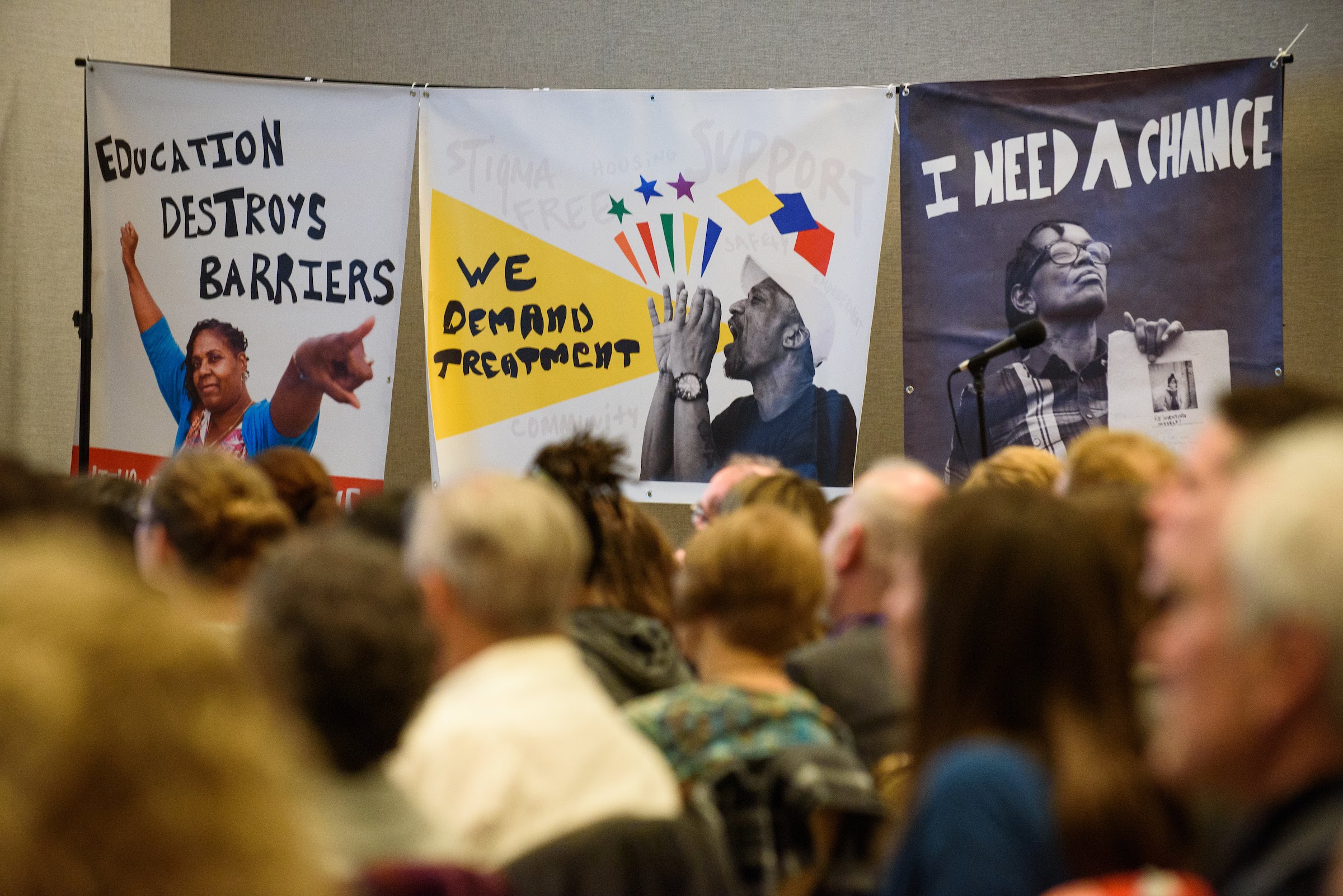
Artwork stating 'Education Destroys Barriers', 'We Demand Treatment', and 'I Need A Chance'

Search Results

You searched for: -

There are 3842 results  for your search.  View and Refine Your Search Terms

  • A major US city will start drinking its own sewage. Others need to follow.

    As water shortages continue to be on the rise, so are water expenses. El Paso, Texas is more familiar with this than many other cities due to it's serious lack of rainfall and historically rapid consumption of water. The city's newest approach, however, utilizes a closed-loop water system that cleans and recycles sewage water, making it ready for public consumption.

    Read More

  • How telemedicine brings healthcare into vulnerable patients' homes

    Telemedicine, specifically telepsychiatry, is making getting psychiatric care into the hands of patients who would otherwise struggle to access timely mental health care. Patients connect with doctors or psychiatrists over video conference. Telehealth programs can help address social determinants of health like language barriers and limiting financial resources.

    Read More

  • Tracking Opioids Beneath the Streets

    The United States is adopting wastewater epidemiology in response to the opioid crisis. Public health officials laud the tool for giving them a clear picture of the opioid crisis in their communities. In the city of Cary, N.C., health officials can track data about opiate use through the BioBot, the first device that can collect data in real time from the sewer—before opiate molecules can break down and become untraceable.

    Read More

  • Wanted: Rural Doctors

    To combat the shortage of rural doctors, Alabama universities are offering rural medicine programs or helping fund the studies of students who commit to rural practice after graduation. Admissions staff also keep in mind that applicants from rural areas are four times as likely to return to rural areas to practice.

    Read More

  • Is medical marijuana the antidote to Lebanon's trade deficit?

    The Lebanese parliament has started considering whether to legalize cannabis for medical use. The move would raise much-needed funds and create state-sanctioned jobs, according to McKinsey consulting firm. The government has tried to combat the hashish industry in Bekka Valley for decades.

    Read More

  • Traumatic Brain Injury and Incarceration: Ending a Vicious Cycle

    The Brain Injury Alliance of Colorado works to connect traumatic brain injury survivors with resources for reintegrating into society—even if they have been incarcerated. Their work connect formerly incarcerated people is aimed at reducing recidivism. Over half of Colorado inmates have a history of serious brain injury. So far, only a little research has been completed, but other states are looking to the Colorado studies and programs as potential models.

    Read More

  • Dams and reservoirs can't save us. This is the new future of water infrastructure.

    El Paso, Texas only gets about 10 inches of rainfall per year, which doesn't help the water shortage the city is facing. Faced with no other choice but to seek solutions, the city has already implemented rainwater catchment systems, but is now looking to other countries as they turn their focus to toilet-to-tap practices.

    Read More

  • Take a Look at These Unusual Strategies for Fighting Dementia

    The Netherlands is trying an alternative strategy to hospitalization for dementia patients. Instead of home care and hospitalization, patients live in group care facilities, which use stress-reduction techniques and calming cues to reduce the negative symptoms of dementia. There’s no cure for dementia, but their methods are effective in reducing the medication and restraints necessary for patients.

    Read More

  • Water scheme improves access to safe water

    With little access to clean water, the community in the Nebbi District in Uganda were facing health issues. A new government initiative, however, has changed this reality by implementing a water scheme that utilizes technology to trap water and transport it closer to the community.

    Read More

  • 'Dance has done so much for me': the leader of Kenya's slum ballet school

    Mike Wamaya opened a ballet studio for underprivileged children in Nairobi. Through dance, the children learn a skill, have a means to express often difficult things about their lives, and learn solildarity across tribal lines.

    Read More